
Utility grids face unprecedented challenges that threaten stability, reliability, and efficiency. Technological advances, climate shifts, and rising energy demands create complex obstacles for power providers.
Cybersecurity risks, aging infrastructure, and supply chain disruptions add further strain on grid management. Addressing these issues requires innovation, investment, and decisive action to maintain reliable electricity access.
Surging Demand from Electric Vehicle Adoption
Electric vehicle (EV) ownership has been rapidly expanding, creating additional demand for electricity. Charging stations increase stress on the grid, especially in high-density urban areas where multiple vehicles draw power simultaneously.
Utilities can struggle to distribute electricity efficiently during peak charging hours, risking power shortages and voltage fluctuations. Investment in smart grid technology, time-of-use pricing, and alternative charging solutions remains essential to prevent instability.
Without infrastructure upgrades in certain areas, EV charging can create vulnerabilities in power distribution. Utilities may need to consider replacing outdated transformers, expanding substations, and reinforcing transmission lines to handle increased demand.
Increased Frequency of Extreme Weather Events
Severe storms, heatwaves, and natural disasters create disruptions that weaken power grids across entire regions. High winds are toppling power lines, flooding is damaging substations, and wildfires are destroying transmission infrastructure.
Outages increase in duration and severity as aging grid components fail under extreme conditions. Resilient infrastructure, predictive maintenance, and proactive disaster planning remain essential to reducing risks.
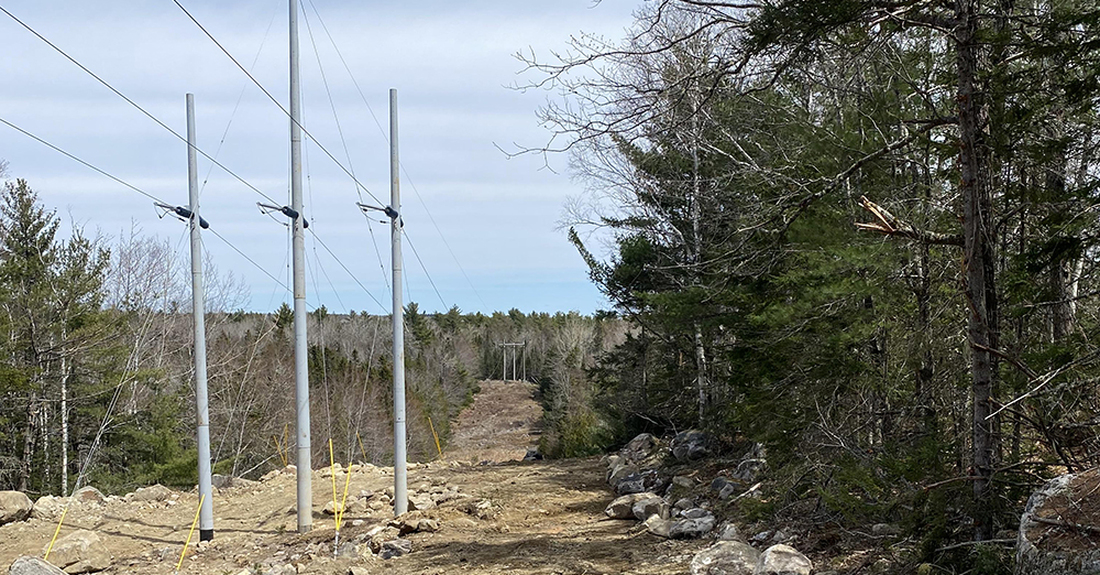
McWane Poles offers alternatives to traditional poles that can handle extreme conditions better. As utility pole manufacturers, we supply electric companies with ductile iron poles that improve grid resilience against harsh weather and wildfires. Wooden poles can weaken over time, increasing failure rates during hurricanes, ice storms, and high winds.
Ductile iron utility poles withstand environmental stressors, providing long-term durability and reducing restoration time after severe weather events. Investing in stronger materials and modern grid technology creates a more reliable power distribution network.
Escalating Cybersecurity Risks and Threats
Hackers target power grids with increasing sophistication, threatening widespread blackouts and infrastructure damage. Ransomware attacks, system intrusions, and malware injections compromise critical operations, putting entire regions at risk.
Legacy grid components lack modern security protections, creating entry points for cybercriminals. Strengthening grid defenses requires constant monitoring, software updates, and investment in advanced threat detection.
Cyberattacks represent one of the most pressing power challenges facing utility grids in 2026, forcing companies to adopt stronger security measures. Utilities must modernize outdated software, enforce strict access controls, and develop rapid incident response strategies.
Attackers exploit unpatched vulnerabilities using automation to target multiple grid systems simultaneously. Collaborative efforts between energy providers and cybersecurity experts will strengthen defenses against these evolving threats.
Aging Infrastructure and Costly Modernization Efforts
Decades-old transmission lines, substations, and transformers struggle to keep pace with modern energy demands. Frequent equipment failures cause rolling blackouts, voltage inconsistencies, and increased maintenance costs.
Expanding power grids to support renewable energy sources and new technologies requires expensive upgrades. Utilities must prioritize infrastructure replacements based on performance data, failure rates, and future demand projections.
Funding constraints can delay critical upgrades, forcing utilities to extend the lifespan of deteriorating components. Short-term repairs increase operational expenses while failing to address underlying system weaknesses.
Inconsistent regulatory policies create uncertainty that can discourage private investment in modernization projects. Infrastructure failures can become more frequent without immediate action, and so can widespread service disruptions.
Renewable Energy Integration Challenges
Solar and wind power generate intermittent electricity which pose challenges for grid stability and reliability. It is difficult to balance supply and demand because renewable energy production fluctuates based on weather conditions.
Conventional power plants provide stability, but reliance on fossil fuels contradicts long-term sustainability goals. Utilities must develop large-scale energy storage solutions to manage fluctuations and avoid power shortages.
The integration of renewable energy presents another power challenge facing utility grids in 2026. Updated transmission equipment and advanced grid management strategies smooth the integration of renewable energy infrastructure.
Rural wind farms and solar fields produce excess electricity that existing power lines cannot handle. Expanding grid capacity requires advanced forecasting technology, improved energy storage, and enhanced load management strategies. Regulatory frameworks adapt to accelerate the adoption of these necessary improvements.
Supply Chain Disruptions and Resource Shortages
Power grid expansion and maintenance rely on materials that remain in short supply due to global disruptions. Transformers, semiconductors, and specialized components experiencing manufacturing delays are a key cause of project backlogs.
Import restrictions and rising raw material costs further complicate procurement efforts. Utilities must diversify supply chains and develop contingency plans to secure essential resources.
Geopolitical tensions and trade policies exacerbate delays in obtaining critical grid components. Local manufacturing faces production bottlenecks, increasing costs and slowing delivery timelines.
Utilities struggle to maintain equipment replacement schedules, risking service interruptions for customers. Investing in domestic production and alternative materials offers long-term stability against supply chain uncertainties.
Workforce Shortages and the Aging Utility Labor Force
The utility sector faces a growing shortage of skilled workers as experienced professionals retire. A lack of qualified engineers, technicians, and line workers complicates grid maintenance and modernization efforts.
Training new employees requires time and resources that utilities struggle to allocate. Without an expanded workforce, repair and upgrade timelines will continue to lengthen, affecting grid reliability.
Recruitment efforts fail to attract younger workers due to outdated perceptions of utility careers. Apprenticeship programs and industry partnerships offer potential solutions, but participation remains low.
Automation and AI-based grid management tools help offset labor shortages but require skilled operators. Additionally, workforce development through targeted incentives and outreach programs remains critical for the industry’s future.
Rising Energy Costs and Consumer Affordability Concerns
Electricity costs continue to rise due to increased fuel prices, infrastructure upgrades, and regulatory mandates. Customers face higher utility bills, which can have serious impacts on households and businesses.
Utilities struggle to balance financial sustainability with the need to provide reliable and accessible power. Rate adjustments and efficiency programs can mitigate cost impacts, but long-term solutions remain necessary.
Demand-side management programs empower consumers to reduce energy consumption and lower costs. Time-of-use pricing, home energy monitoring, and smart appliances provide opportunities for cost savings.
Government subsidies and financial assistance programs aim to reduce energy burdens for low-income communities. However, developing cost-effective grid modernization strategies remains essential to preventing further price surges.
Power grids in 2026 face mounting challenges that warrant attention. Infrastructure investment, cybersecurity improvements, and workforce expansion remain critical for stability. Addressing these issues requires collaboration between utilities and utility pole manufacturers, policymakers, and private industry. Proactive action today will determine the future reliability of electricity access.