
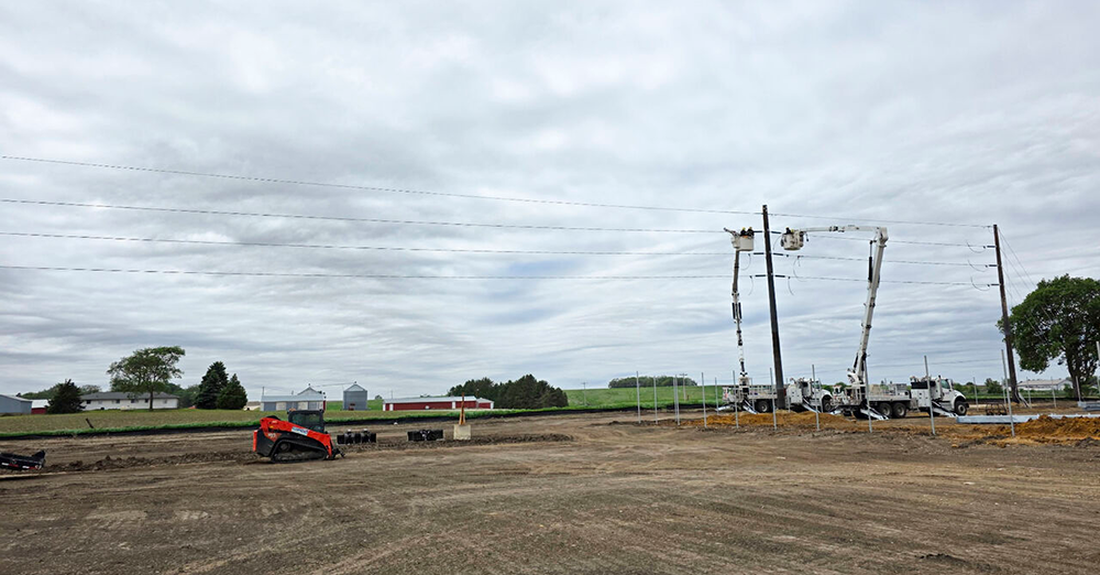
Rural electric cooperatives (RECs) are critical to powering communities but face unique challenges that often go unnoticed in broader energy discussions. Unlike other utility services that provide for dense urban populations, RECs operate in rural communities and must overcome multiple challenges. This includes economic and regulatory challenges as well as local infrastructure struggles to meet their communities’ energy demands.
Understanding these difficulties is important. Whether you're a cooperative leader, energy professional, or policy advocate, the challenges rural electric cooperatives face can have wide-reaching impacts on rural communities and call for collaborative solutions.
Challenge #1: Aging Infrastructure and Rising Costs
Across the United States, many RECs rely on infrastructure built because of the New Deal, a set of economic reforms made in the 1930s by Franklin D. Roosevelt. This infrastructure was built decades ago and poses reliability risks due to age and regular maintenance costs and limits the ability to integrate modern energy technologies.
Meeting the demands of the 21st century comes at a high price. RECs face a particularly complex pricing challenge because serving sparsely populated areas means fewer customers share the financial burden of these improvements.
Possible Solutions
RECs can take steps to reduce the effects of aging infrastructure and rising costs. Some options to improve these problems include investing in grid automation and smart meters that can reduce operational costs. This would enhance RECs' fault detection, response times, and energy efficiency.
RECs can also form collaborative partnerships to share funding opportunities and support infrastructure upgrades. Organizations like the National Rural Electric Cooperative Association (NRECA) can mitigate project financial burdens. Collaborating with other groups, like local governments, can also lead to better support with upgrades to infrastructure and funding for increased costs.
Challenge #2: Combining With Renewable Energy
With the increase in renewable energy projects, integrating them with the current system presents technical and logistical challenges. Some renewable energy options, such as solar and wind power generation, are intermittent, requiring grid upgrades and energy storage solutions to maintain reliability. This also presents problems balancing supply and demand when relying on renewable energy sources.
Benefits of Renewable Energy
For organizations shifting focus to sustainable resources, renewable energy is not a problem but the solution. By investing in clean energy infrastructure, RECs can secure a more stable energy supply, reduce carbon emissions, and improve their standing among environmentally conscious consumers and stakeholders.
Possible Solutions
While optimizing the current infrastructure for RECs is expensive, there are ways to integrate renewable energy into the existing system. This includes battery storage systems that can store surplus energy and deploy when the demand rises, or grid modernization for distributed energy resources (DER). DERs are upgraded infrastructure that takes energy from renewable forms like solar rooftops and integrates them with the cooperative’s existing grid.
These adjustments do not need to generate significant results right away. Starting small-scale solar projects to expand renewable energy begins the process of utilizing renewable energy without making major changes to the existing infrastructure.
Challenge #3: Regulatory Challenges
RECs often face complex regulations that don’t reflect the unique needs of the rural communities they serve. Federal and state mandates often focus their energy standards on cities and urban areas, rather than rural communities that rely on smaller cooperatives for energy.
This landscape can burden cooperatives with significant administrative strain and financial penalties. The cost of those penalties can restrict an already tight budget and affect the RECs' ability to fund their local improvements. Along with other challenges, the inability to improve the infrastructure in RECs can lead to energy shortages for many communities.
Possible Solutions
Localized policies are the best option for RECs to have regulations customized to the needs of the area. These policies allow a REC to operate as needed with more flexible, rural-focused regulations that don’t focus on urban settings. Coalitions like NRECA work to lobby for these to reduce the effects of current state and federal mandates.
Automating compliance tracking and reporting also saves administrators significant time and money. This practice can also reduce the infractions and penalties given to RECs for not being knowledgeable about the government’s regulation changes.
Challenge #4: Cybersecurity Risks
Another major challenge rural electric cooperatives face is the likelihood of cybersecurity attacks. Smaller utility groups like RECs often have fewer resources to deal with the necessary cybersecurity measures needed today. The growing reliance on digital technology has also brought an increasing threat to the digital networks that utility groups need. If a cybersecurity attack is successful, it can lead to power disruptions, financial losses, and even compromised customer data.
Possible Solutions
One of the main solutions is prioritizing cybersecurity training for employees to identify common attack methods. Basic awareness programs establish a critical first line of defense.
Following industry best practices also provides another level of defense against cyber threats and ensures you use proven risk assessment and mitigation strategies. The Department of Energy can also provide resources to improve cybersecurity defenses.
Challenge #5: Workforce Challenges
Workforce shortages are an issue in multiple industries, but especially with RECs. This is due to the retirement of skilled and experienced workers and struggles in recruiting younger talent to rural communities.
Finding qualified engineers, line workers, and IT professionals is increasingly competitive, leaving cooperatives without the necessary staff. The shortage can also impact other struggles like cybersecurity, where adept IT departments are needed to keep everyone’s data and energy safe from cyber threats.
Possible Solutions
The best solution for this problem is to entice individuals to work for RECs instead of moving to larger urban settings. RECs can offer competitive salaries and benefits packages to attract the best talent. Another option is for the cooperatives to work with universities and technical schools to create specialized programs for rural utility workforce development.
For more innovative options, RECs can provide remote work for some candidates to reduce the effects of the workforce shortage in rural areas. When remote work isn't an option, technology can help perform tasks without requiring someone to be on-site.
Providing the Best Results
Rural energy cooperatives provide the necessary energy supply to areas that larger organizations often overlook. Small communities rely heavily on RECs, and despite the challenges presented, they continue to provide the best service possible to these groups.
High-quality, durable power poles are vital for constructing and maintaining a reliable electrical grid, especially in rural areas where networks often span vast distances and face harsh environmental conditions. Partnering with a trusted power pole manufacturer like McWane Poles ensures access to innovative materials that meet a rural energy cooperative’s needs.
McWane Poles has the power poles needed to supply the best quality infrastructure for rural energy cooperatives to provide their communities with the energy they need. We supply the most cost-effective and sustainable materials that can meet the ever-evolving needs of rural energy cooperatives.