
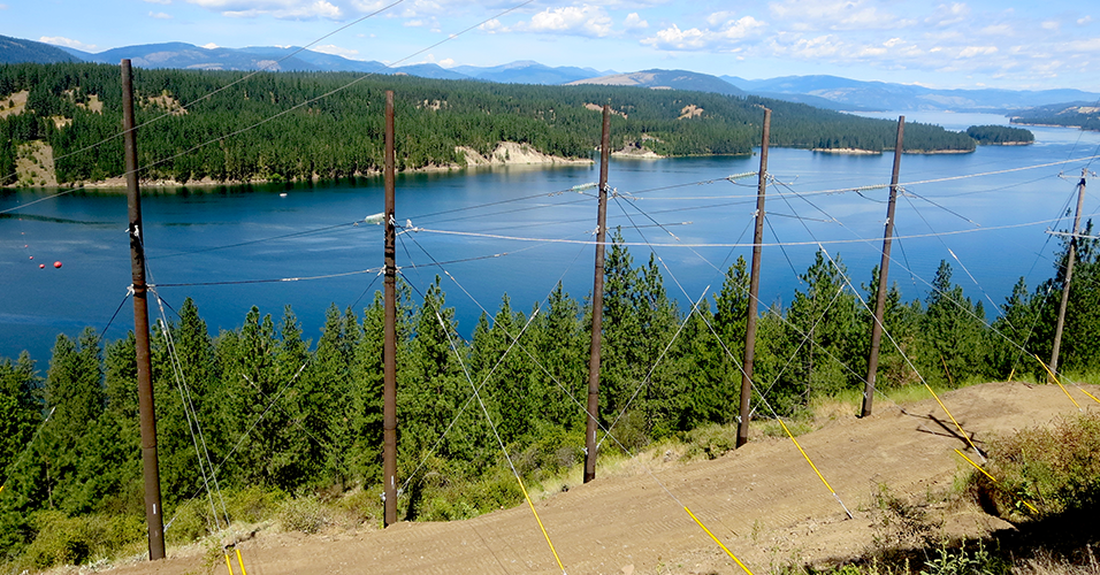
While iron has been used for centuries, the introduction of ductile iron marked a major advancement in material technology by combining the strength of traditional iron with enhanced flexibility and durability. Although ductile iron was developed in the mid-20th century, it became a standard material for utility piping in the 1960’s. Ductile iron poles were developed in 2009, and they are valued for their longevity, resilience, and cost-effectiveness. Understanding the history and unique properties of ductile iron provides valuable insight into why it has become a trusted solution for modern utility infrastructure.
The Birth of Ductile Iron
Over the 19th century, metallurgists began experimenting with methods to develop better metals to work with and improve the ever-growing steel industry. American metallurgical engineer Keith Dwight Millis developed the incredibly strong material in 1943. The carbon nodules in ductile iron allowed it to bend without breaking, creating a more flexible and durable material.
The result was a strong material that could withstand pressure, vibration, and shifting soil conditions. Millis established patents in 1949 and solved the most common problems with cast iron.
Introduction to the Public
Ductile iron was introduced to the public in the 1950s, but it took until 2009 for it to be used for utility poles. The first company to manufacture them was McWane Poles. Since it’s introduction, more utilities are giving ductile iron poles a chance in their system and agree that it increases the grids resiliency over other pole material options.
Unlike wood, ductile iron poles are more resilient and do not lose strength over time, allowing them to be more reliable in extreme weather conditions. One of their key selling points was their durability in regions with strong winds, heavy storms, and seismic activity. Their introduction marked a significant advancement in infrastructure technology, balancing performance with sustainability.
What Are Ductile Iron Poles?
Now that we explored the history, it is helpful to understand what they are and why they outperform many alternative pole materials. Ductile iron is produced by adding a magnesium alloy to molten iron before it is cast into pole sections. This process changes the structure of the carbon within the metal, transforming it from the flake-shaped graphite found in traditional cast (gray) iron into rounded graphite nodules.
These rounded nodules give ductile iron its exceptional combination of strength and ductility. Unlike gray iron, which is prone to cracking under stress, ductile iron poles can deform, or yield, when subjected to loads beyond its yield strength. This ability to absorb stress before failure makes ductile iron poles significantly more durable and resilient in demanding applications.
Why Ductile Iron Poles Are the Standard
Along with weather resistance, these poles offer additional benefits, making them ideal for large construction projects and municipal utility needs.
Strength and Durability
As we noted, the durability of these poles was one of the features that set them above some of the alternative materials used for power poles.
As a set it and forget it product, ductile iron’s 100+ year lifespan reduces the need for frequent replacements, saving money and minimizing disruptions. This also reduces maintenance costs for municipalities that use them.
Corrosion Resistance
Early utility poles made from wood were vulnerable to deterioration over time, whether from decay, insects, or corrosion. Ductile iron offers a significant advantage because it is naturally more corrosion resistant than steel. Ductile iron contains graphite nodules (carbon) in the ferritic and pearlitic matrix. When the iron surface is exposed to oxygen, a patina layer is formed which adds an additional barrier against corrosion. As a result, most ductile iron poles do not require protective coatings to provide long-lasting durability.
Cost Effectiveness
While ductile iron poles have a premium up-front cost versus some other pole materials such as wood, the material’s 100+ year lifespan makes it a cost-competitive long-term solution for utility poles once total life costs are considered.
Modern Applications of Ductile Iron Poles
Ductile iron has proven its resilience and flexibility in adapting to modern demands. Factors such as environmental sustainability and the push for efficient utility networks have solidified ductile iron poles as a reliable option for utility companies.
As cities adapt to smart technology, ductile iron poles can also incorporate it. This includes equipping utility poles with sensors, cameras, and wireless modules to improve communities and maintain public safety.
Ductile Iron Poles and Sustainability
As more companies focus on sustainability and reducing their carbon footprint, ductile iron poles offer significant environmental advantages. The 100-percent recyclable material makes these poles an environmentally friendly choice for modern infrastructure projects. For many, adopting ductile iron poles offers a strategic advantage. They’re a long-term investment in the future of reliable and sustainable infrastructure.
Are You Making the Right Choice for Your Utility Pole Needs?
Ductile iron poles have made history with their unmatched durability, flexibility, and sustainability. They have become a viable tool that has proven to add resiliency to the grid for urban and rural infrastructure and utility networks. Furthermore, ductile iron can stand the test of time and will continue to be trusted by engineers, contractors, and municipalities worldwide.
Whether planning a new project or upgrading an existing system, McWane Poles provides the most reliable, cost-effective solutions. We stand out among other utility pole companies for providing poles with exceptional strength, longevity, and environmental benefits. Contact us today to take advantage of the most reliable poles for your project.