
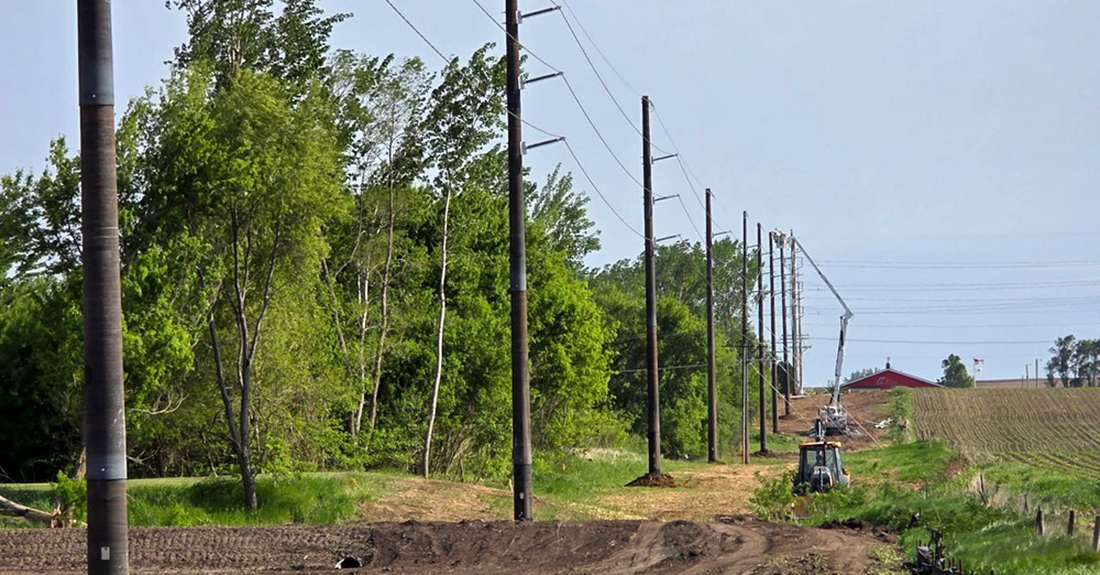
Expanding the power grid requires strong, long-lasting infrastructure that can support increasing energy demands. Utility companies must consider durability, environmental conditions, and long-term cost-effectiveness when selecting materials for grid expansion. Ductile Iron utility poles provide a reliable solution for growing energy distribution networks while minimizing maintenance requirements.
Enhancing Grid Stability and Longevity
The role of ductile iron utility poles in expanding the power grid involves reinforcing structural integrity and reducing long-term infrastructure costs. Reliable structures create a foundation for stable power delivery in expanding regions. Choosing strong materials improves grid dependability and minimizes disruptions caused by environmental stressors.
Utilities prioritize lasting materials to reduce frequent replacements and maintenance expenses. McWane ductile iron poles stand out from other utility pole manufacturers because they are resilient in corrosive environments, resist physical damage, and work well in extreme weather conditions, making them a dependable option for expanding power networks.
Ductile iron poles provide resistance against environmental degradation, allowing utilities to maintain consistent power distribution. Unlike wood, which deteriorates over time, and concrete, which can crack under stress, ductile iron withstands prolonged exposure to harsh elements. This durability contributes to fewer outages and increased grid stability.
Reducing Maintenance and Replacement Costs
Long-lasting materials decrease the need for frequent infrastructure investments. Utility companies benefit from reduced labor and material expenses by choosing ductile iron poles over alternatives that require regular maintenance. Lower maintenance demands allow companies to allocate resources toward further grid expansion rather than repeated repairs.
Longevity also improves service continuity. Power grids equipped with durable poles experience fewer disruptions caused by infrastructure failures. Fewer replacements mean fewer service interruptions, benefiting utility providers and consumers alike. As power demands increase, reliable transmission structures become essential for maintaining continuous energy distribution.
Supporting Grid Expansion in Harsh Environments
The role of ductile iron utility poles in expanding the power grid includes providing reliable infrastructure in locations with extreme weather and challenging landscapes. Expanding the grid into remote areas requires materials that withstand high winds, heavy snowfall, and extreme temperatures. Ductile iron poles offer the necessary durability to maintain consistent power delivery in harsh conditions without the issues of wooden poles such as rot, UV degradation, insect infestation or woodpecker damage.
Other issues can also impact traditional utility poles. For example, coastal environments expose poles to saltwater corrosion, while high-wind areas require reinforced structures to prevent damage. Ductile iron poles provide a robust solution for overcoming these challenges.
In cold environments, snow accumulation and ice buildup add weight to utility poles, increasing stress on transmission lines. The yield and tensile strength of ductile iron poles remain consistent over time. Therefore, utilities can be confident that their initial loading design will result in a quality line for years to come even in these adverse conditions.
Facilitating Renewable Energy Expansion
Expanding the power grid for renewable energy integration requires reliable infrastructure. Wind and solar energy facilities demand strong poles to handle increased electrical loads. Iron poles provide a stable foundation for delivering renewable energy to consumers.
Wind turbines and solar farms require durable transmission lines to transport generated electricity. Ductile iron poles withstand the weight and mechanical stress of high-capacity transmission lines. Stronger poles promote consistent power delivery from renewable energy sites to the main grid.
Modern energy grids must accommodate fluctuating power generation from renewable sources. Ductile iron utility poles improve stability, allowing utilities to manage variable energy production. Expanding the grid with ductile iron poles helps integrate renewable energy more effectively.
Consider Ductile Iron Utility Poles in Grid Expansion
Expanding the power grid requires durable, high-capacity infrastructure. Ductile iron utility poles improve grid stability, support growth in challenging environments, and accommodate increasing energy demands.
Reliable infrastructure ensures efficient energy distribution. Long-lasting materials reduce maintenance costs while reinforcing grid reliability. Utility companies benefit from investing in poles that provide:
- Durability: Utility poles resist corrosion, extreme weather, and environmental wear to uphold performance standards and last longer.
- Longevity: Investing in the right utility poles reduces maintenance and replacement costs over time, furthering the pole’s lifespan.
- Sustainability: Ductile iron poles are made of over 96% recycled material and are 100% recyclable, reducing deforestation and carbon footprints.
- Adaptability: The best utility poles will function in urban, remote, and extreme environments.
McWane Poles provides trusted solutions for expanding electrical grids with durable ductile iron utility poles. Explore our innovative products designed to strengthen power infrastructures and support future energy needs.